
Melbourne’s climate is famously unpredictable, sunny one moment and pouring the next. While this variability is often the subject of jokes, it also creates the perfect conditions for water damage to escalate into something far more serious: mould growth. Understanding the connection between water damage in Melbourne homes and mould development can help property owners act quickly and avoid costly, long-term consequences.
The Science Behind Mould Growth
Mould spores exist almost everywhere in our environment, floating invisibly in the air both indoors and outdoors. Under normal conditions, they’re harmless. However, when these spores land on a damp surface, they have everything they need to multiply, moisture, organic material to feed on, and a suitable temperature. Most household materials, including timber, plasterboard, carpet, and insulation, provide an ideal food source for mould once they become wet.
The critical factor is time. Mould can begin developing within 24 to 48 hours of water exposure. This means that even a relatively minor leak or flood, if not addressed promptly, can result in a significant mould infestation within just a couple of days.
Why Melbourne Properties Are Particularly Vulnerable
Melbourne’s combination of seasonal rainfall, coastal humidity, and rapid weather changes makes local properties especially susceptible to water damage. Heavy storms can overwhelm drainage systems, causing water to seep into homes through roofs, windows, and foundations. Older properties, common throughout Melbourne’s established suburbs, often have ageing plumbing and less effective waterproofing, increasing the risk of hidden leaks that go unnoticed for extended periods.
Additionally, Melbourne’s humidity levels, particularly during warmer months, can slow down natural drying processes. A property that experiences water damage may seem dry on the surface within a day or two, but moisture trapped within wall cavities, subflooring, or insulation can linger far longer, quietly fuelling mould growth out of sight.
Common Sources of Water Damage Leading to Mould
Several scenarios commonly lead to mould problems in Melbourne homes. Burst or leaking pipes are a frequent culprit, often going undetected until staining or odours appear. Roof leaks following storms allow water to seep into ceiling cavities and walls. Flooding from heavy rainfall can saturate carpets, flooring, and lower-level walls. Poor ventilation in bathrooms and laundries also creates persistent damp conditions that promote mould even without an obvious water event.
The Hidden Dangers of Delayed Action
One of the biggest risks with water damage is the assumption that visible drying means the problem is solved. In reality, materials like timber framing, carpet underlay, and plasterboard can retain moisture well after surfaces appear dry. This trapped moisture becomes an ongoing mould risk, sometimes for weeks, if not properly addressed with professional drying equipment and moisture testing.
Beyond structural damage, mould poses real health risks. Exposure to mould spores has been linked to respiratory irritation, allergic reactions, and worsened symptoms for people with asthma or compromised immune systems. This makes timely action even more critical for households with young children, elderly residents, or anyone with existing health conditions.
Preventing Mould After Water Damage
The most effective way to prevent mould growth following water damage is rapid, thorough drying. This typically involves professional-grade dehumidifiers, air movers, and moisture detection tools that go beyond what’s achievable with household fans and towels. Addressing the source of the water damage, whether it’s a leak, flood, or poor drainage, is equally important to prevent recurring issues.
Water damage in Melbourne homes is rarely just a surface-level issue. Without prompt and thorough drying, it almost inevitably leads to mould growth, bringing both structural and health risks. Acting quickly and seeking professional assessment after any water event is the best way to protect your property and the wellbeing of everyone living in it.
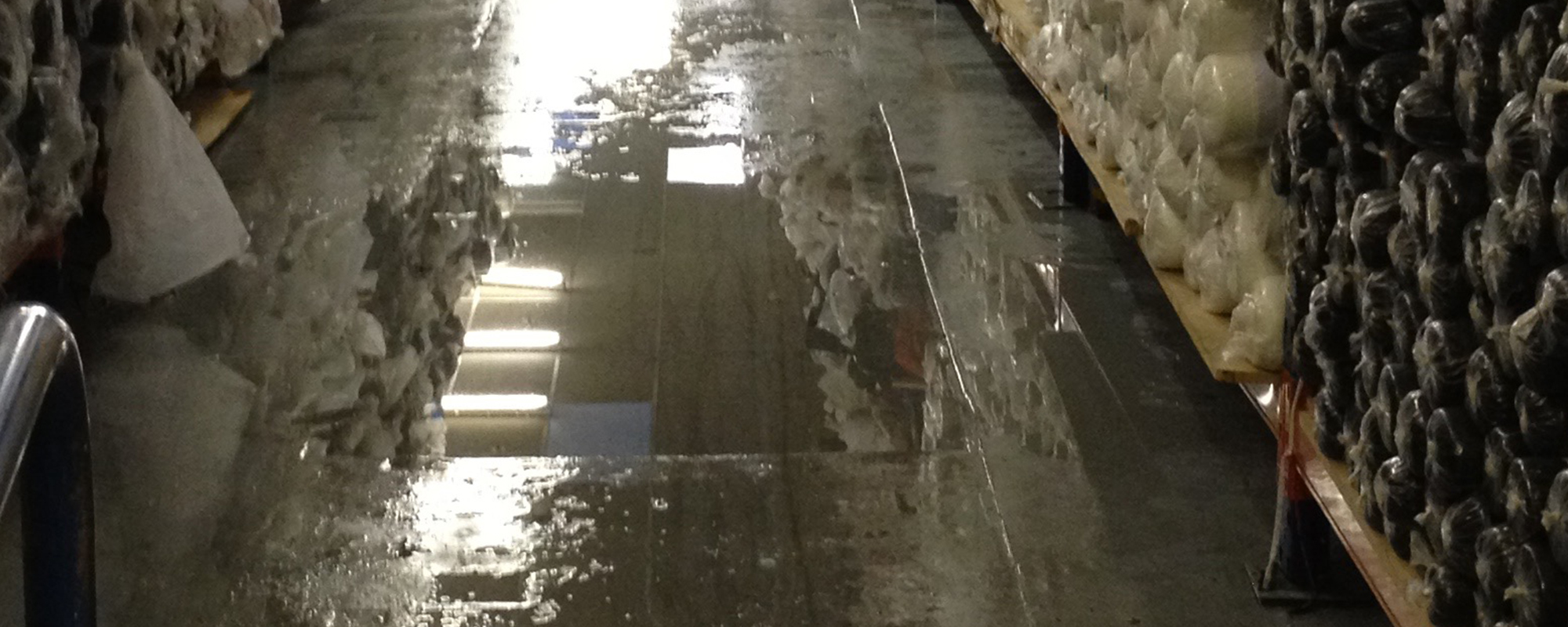
Burst pipe, flood, or storm damage? Our team provides rapid emergency water removal in Melbourne, available 24/7. Using powerful extraction equipment, we remove standing water fast, minimising damage to floors, walls, and belongings. Trusted local technicians respond quickly to protect your property and prevent mould—call us anytime for immediate assistance.